
Immediate Dentures in Melbourne: What to Expect in the First 30 Days
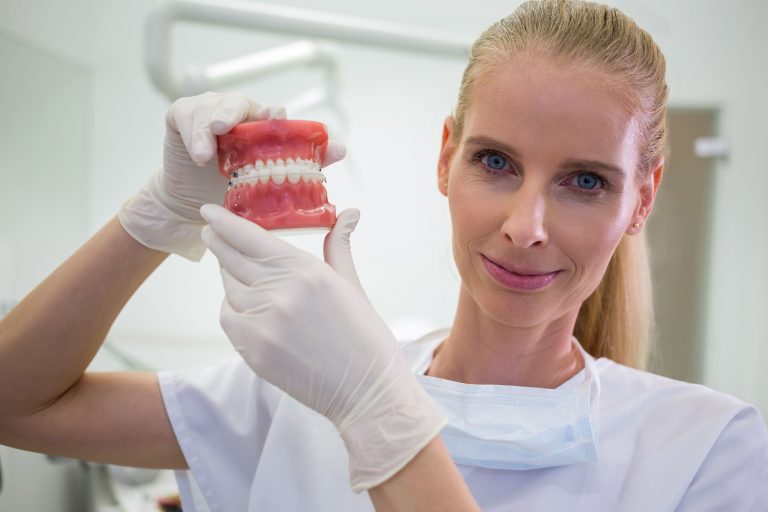
Having teeth removed can be a significant change, and it is natural to wonder how you will look, eat and speak afterwards. Immediate dentures are designed to be inserted on the same day as planned tooth extractions, helping you avoid a period without a denture. The first month involves healing as well as learning how to manage a new appliance.
Everyone heals differently. Your instructions will depend on the number and location of teeth removed, your health, the type of denture and the advice of the dental prosthetist involved in your care. Use the timeline below as a general guide—not a substitute for the specific post-extraction instructions provided to you.
Matrix Dental Denture Clinic in Hoppers Crossing provides immediate denture services and ongoing denture support. If you are considering immediate dentures in Melbourne, a consultation can help clarify the process, likely appointments and costs.
What are immediate dentures?
An immediate denture is a full or partial denture prepared before planned tooth extraction and inserted on the day the teeth are removed. It can provide an interim replacement while the extraction sites and gums heal. Immediate dentures may support appearance and day-to-day function during this transition, but the mouth changes shape as healing progresses.
Because the denture is made before the final healing shape of the gums is known, its fit can change during the first weeks and months. Reviews, adjustments and sometimes a reline or replacement may be needed. Your treating dental practitioner will advise whether an immediate denture is appropriate for your circumstances.
Before extraction day: plan ahead
Ask who will perform the extractions, who will fit and review the denture, what you should do on the day, and whom to contact after hours if a problem arises. Request written instructions about pain relief, eating, oral hygiene, bleeding and when the denture may be removed. If you take regular medication or have a medical condition that affects healing, discuss this with your treating clinician in advance.
- Confirm the appointment schedule and transport arrangements if sedation or surgery is planned.
- Stock up on soft foods that are easy to manage, such as yoghurt, eggs, mashed vegetables and soft fish, as appropriate to your post-operative instructions.
- Ask whether the first review is planned for the next day or another time. Timing varies by clinical circumstances.
- Do not change prescribed medicines or follow generic online instructions in place of your clinician’s advice.
The first 30 days: a practical timeline
Day 1: extraction and denture placement
Your immediate denture is usually inserted on the day of extraction. Your clinician will explain how long it should remain in place initially and when it should first be removed. Some protocols ask patients to leave it in for a specified initial period because it can help support the tissues and manage bleeding; other instructions may differ. Follow the exact instructions given by your treating team and do not remove it early unless you have been told to or need urgent advice.
Some bleeding, swelling, tenderness and extra saliva can occur after extractions and with a new denture. Rest, take medicines only as directed, and choose foods and drinks according to your post-operative instructions. Avoid hot foods if numbness makes it hard to judge temperature.
Days 2–3: early healing and first review
A review may be arranged to assess the extraction sites, check the denture and address areas of pressure. Your practitioner may remove the denture, inspect the tissues and make small adjustments if needed. Do not try to file, bend or repair the denture yourself.
Eating can feel unfamiliar. Choose soft foods, cut them into small pieces and chew gently. Follow any instructions about rinsing or cleaning the mouth, particularly while extraction sites are fresh. If the denture feels increasingly painful, causes a wound, or cannot be reinserted as instructed, contact your treating clinician for advice.
Days 4–7: settling into a new routine
You may still notice tenderness, changes in saliva, a bulky feeling or difficulty pronouncing certain sounds. Short periods of speaking aloud or reading slowly can help you practise. Take small bites and avoid foods that are hard, sticky or likely to lodge under the denture until your clinician says you can progress.
Continue cleaning as directed. Depending on your extraction and denture instructions, the early cleaning routine may differ from long-term denture care. Do not use hot water, abrasive toothpaste or household chemicals on the denture. Seek a review if rubbing or soreness persists rather than trying to tolerate it.
Week 2: gradual adjustment
By the second week, some people find eating and speaking easier, while others need more time. Healing is not identical for everyone, and the denture may start to feel less secure as swelling reduces. This does not necessarily mean the denture was made incorrectly; it can reflect normal changes in the tissues.
Attend scheduled reviews and describe exactly where the denture moves or rubs. If you can, note which activities cause difficulty—such as chewing on one side, talking for long periods or removing the denture. This information can help your clinician identify where an adjustment may be needed.
Weeks 3–4: reassessing comfort and fit
During the remainder of the first month, the extraction sites continue to heal and the shape of the gums can keep changing. Your denture may need further adjustments. Depending on the rate of healing and the design of the denture, your clinician may discuss whether a reline or another longer-term plan is appropriate. A reline changes the fitting surface to improve how the denture sits; it is not always needed during the first 30 days.
Do not use excessive denture adhesive to compensate for a poor fit unless your clinician advises it. A loose or painful denture should be assessed, particularly if it affects eating, causes sores or seems to have changed suddenly. The first month is an adjustment period, not a guaranteed deadline for a perfect fit.
Eating with immediate dentures
Start with soft foods and follow the dietary advice provided after your extraction. As comfort improves and your clinician permits, gradually try a wider range of textures. Practical tips include:
- Cut food into small pieces and take small bites.
- Chew slowly and, where possible, use both sides of the mouth to help distribute pressure.
- Be cautious with hard, crunchy, sticky or chewy foods during early healing.
- Take care with hot foods and drinks if sensation is reduced after treatment.
- Drink water and follow advice about rinsing, especially immediately after extraction.
If eating causes sharp pain, repeated movement of the denture or a wound, stop and contact your clinician rather than forcing yourself to continue.
Speaking and getting used to the feel
A new denture can feel bulky and may temporarily affect pronunciation, saliva and the way your tongue moves. Practising a few minutes of reading aloud each day can help you adjust. If speech difficulties persist or the denture repeatedly clicks, slips or causes gagging, mention this at your review. Changes in fit or design may need professional attention.
Cleaning and caring for your denture
Follow your individual post-extraction instructions first, because cleaning and removal advice can be different in the initial healing period. Once your clinician confirms your regular routine, general denture-care principles include:
- Clean the denture carefully over a basin partly filled with water or over a folded towel to reduce the risk of breakage if dropped.
- Use a soft denture brush and a suitable denture cleaner or mild soap as advised; ordinary abrasive toothpaste may scratch some denture materials.
- Clean your gums, tongue and any remaining natural teeth gently as directed.
- Avoid hot water, bleach and unapproved chemicals.
- Ask when you should remove the denture overnight. After the initial post-operative period, many denture wearers are advised to remove it at night to allow the tissues to rest, but follow your treating clinician’s timing.
If the denture breaks, do not use household glue or attempt a home repair. Contact the clinic for advice.
Why follow-up appointments matter
Reviews allow your dental practitioner to assess healing, identify pressure points, check the denture’s stability and explain the next stage of care. Even a small area of rubbing can become a sore spot if ignored. As the gums remodel, adjustments or a reline may help improve comfort. The timing and need for each intervention depend on your healing and the denture itself.
Contact your clinician promptly for severe or worsening pain, bleeding that does not settle according to the instructions you were given, increasing swelling, fever, pus, or difficulty swallowing or breathing. Difficulty breathing or another medical emergency requires urgent emergency care. Do not wait for a routine denture review if you are concerned about complications.
How much do immediate dentures cost in Melbourne?
The cost varies according to whether the denture is full or partial, the materials and design, the number of teeth involved, case complexity, and what is included in the treatment plan. Extractions may be provided by a separate dental practitioner and could be charged separately. Reviews, adjustments, relines and future replacement can also affect the overall cost.
There is no price estimate in this article because a reliable current fee could not be confirmed for every case. Ask for a written, itemised quote before treatment and clarify what is included, what may incur an additional fee, and when future relining or replacement may be considered. Matrix Dental Denture Clinic states that it accepts private health funds and offers HICAPS for on-the-spot claiming; benefits vary by policy, so confirm your cover with your fund.
Frequently Asked Questions
How long does it take to recover from immediate dentures?
Should I remove my immediate denture on the first night?
What can I eat in the first few days?
Is discomfort normal?
Will immediate dentures need a reline?
Can I sleep with my immediate dentures in?
Does private health insurance cover immediate dentures?
When should I call the clinic?
Discuss immediate dentures with Matrix Dental Denture Clinic
If you are considering immediate dentures in Melbourne, Matrix Dental Denture Clinic can discuss denture options and ongoing care with you. The clinic is at 191 Morris Road, Hoppers Crossing, VIC 3029, and serves surrounding areas including Werribee, Tarneit, Truganina, Point Cook and Williams Landing.
Call (03) 9749 0355 to ask about consultation availability, the steps involved, expected costs and how reviews are arranged. A clear plan before extraction can help you understand what to expect and who to contact during recovery.
General information only: this article does not replace individual advice from your treating dental surgeon or dental prosthetist. Follow your own post-operative instructions, which take priority over this general timeline.


